Health, Nutrition & Wellness

“Nowhere does shaky science do more damage than when it's about your own body and what you put in it.”

Health is where science literacy hits closest to home. It’s also where the marketing is loudest, the fear is sharpest, and a single study can become a diet by morning.

The pattern is always the same. One food is a miracle this month and a menace the next. A frightening percentage sends everyone swearing off something. A wellness trend promises to fix what isn’t broken. Behind most of it sits the same handful of moves: a lab
result stretched too far, a relative risk stripped of context, a marketing word dressed up as science.

None of this means throwing up your hands and ignoring the evidence. It means learning to ask the few questions that separate a claim worth acting on from one worth ignoring: How much? Compared to what? In whom, and for how long? Who benefits from you
believing this?

Topic clusters

The Myth

A habit is either "totally fine" or "will kill you." Headlines swing between "a glass of wine is
good for you" and "no amount is safe."

The Reality

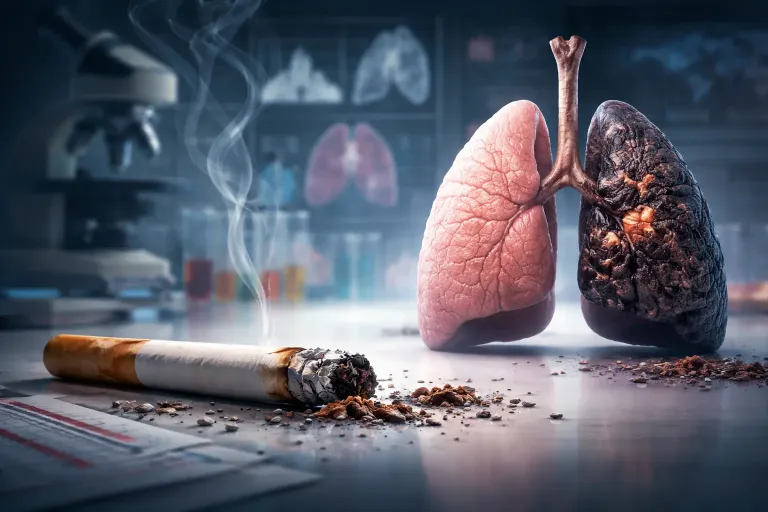
The useful question is always how much, and how much risk, in absolute terms. Smoking's danger is genuinely enormous and worth stating plainly. A daily drink carries real but far smaller cancer risk, and filing both under "carcinogen" hides the difference that actually shapes your choices. Absolute numbers, not scary labels, tell you how alarmed to be.

Steaming hot tub in a calm setting, representing heat therapy
New Study Shows Immune Response From Heat Therapy, but There Is Fine Print
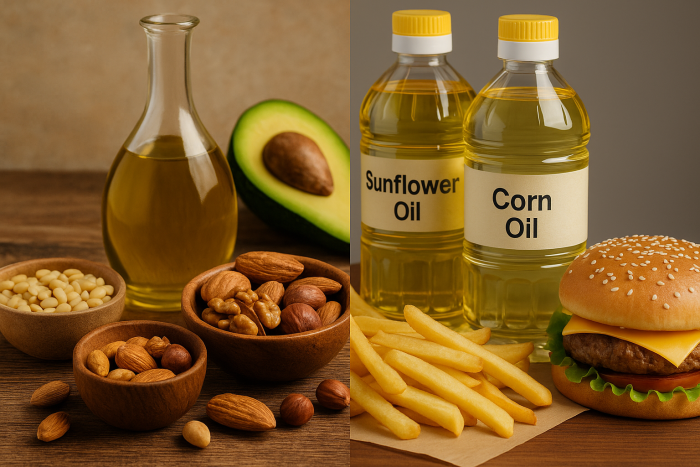
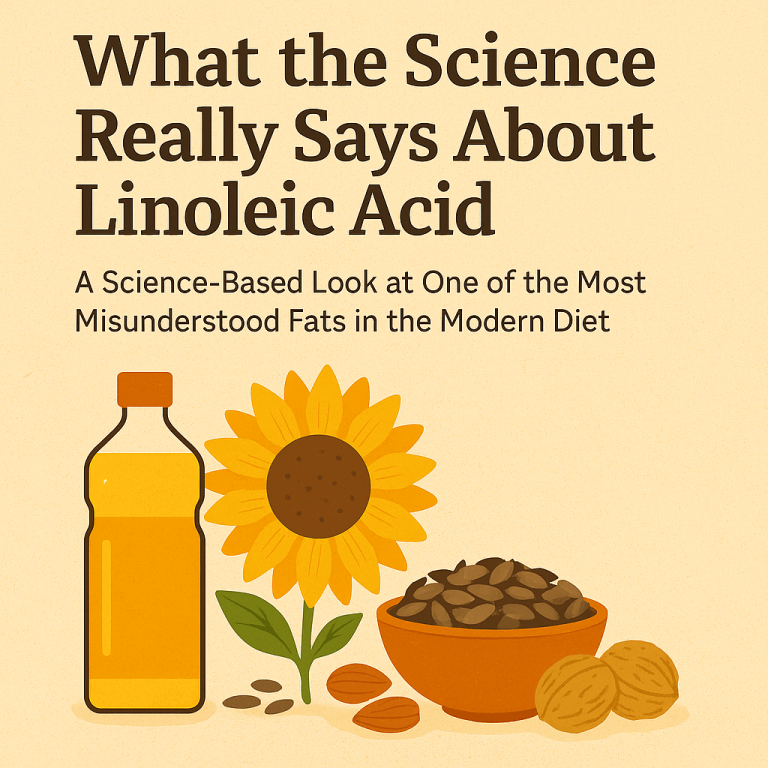
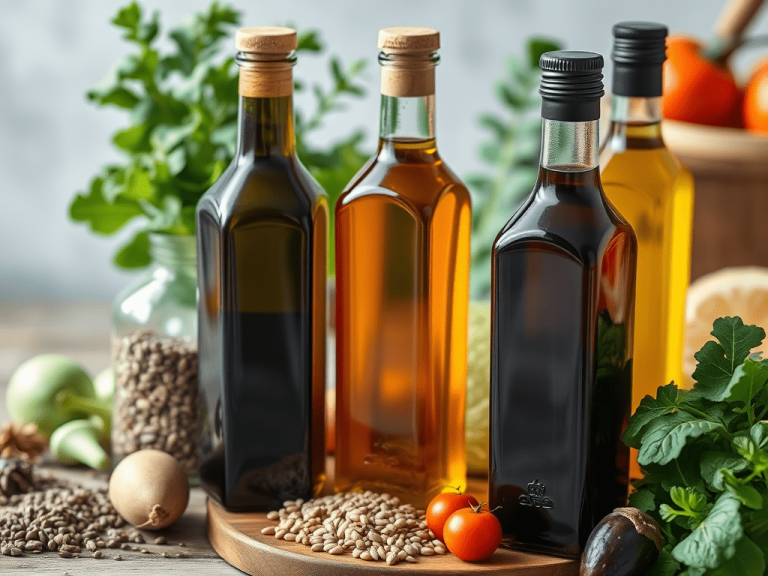
Bottles of seed oils beside the seeds they are pressed from
The Science of Seed Oils: Separating Evidence from Alarmism
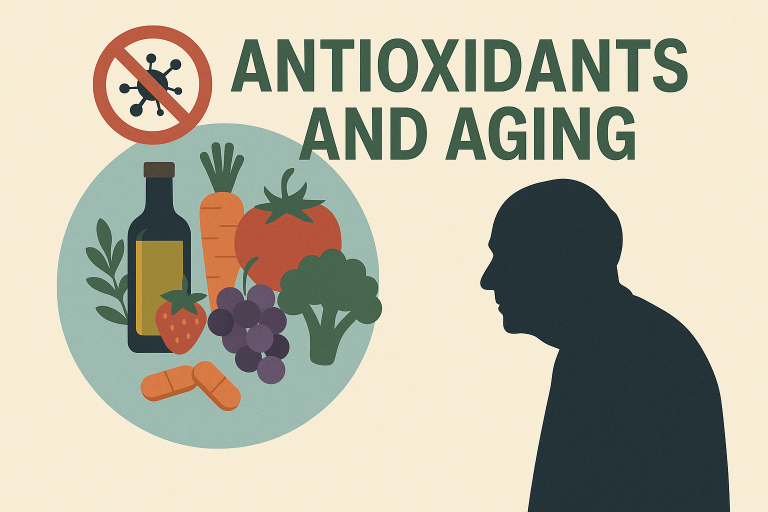
Antioxidant-rich berries and supplements, illustrating claims that antioxidants slow ageing
Antioxidants and Ageing: Why the Science Isn’t So Simple
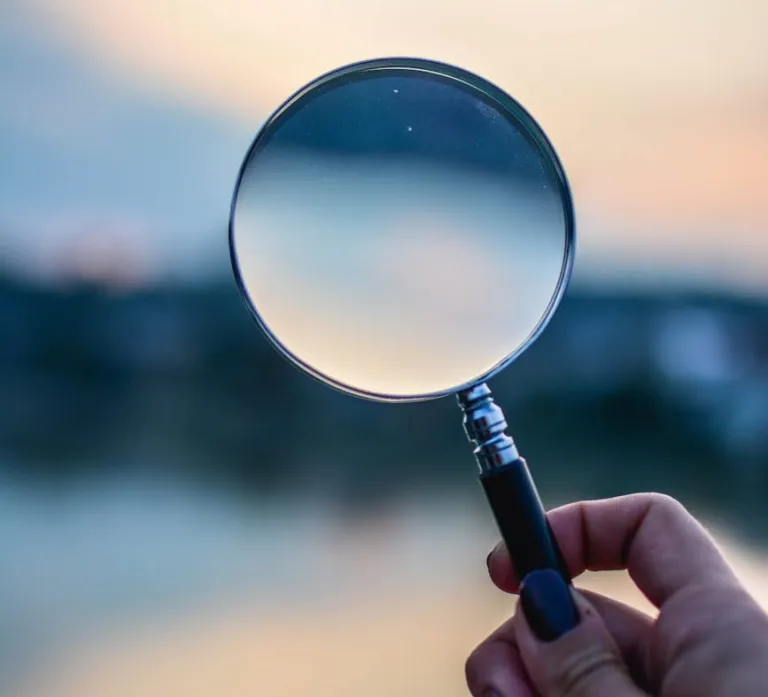
Person reading a scientific research paper with a magnifying glass
How to Read a Scientific StudyWithout Being Misled by It
Glasses of beer, wine and spirits, illustrating the link between alcohol and cancer risk
How Dangerous is Drinking? The Real Numbers Behind Alcohol and Cancer Risk

Apple cut in half, showing its seeds
Can Apple Seeds Kill You?
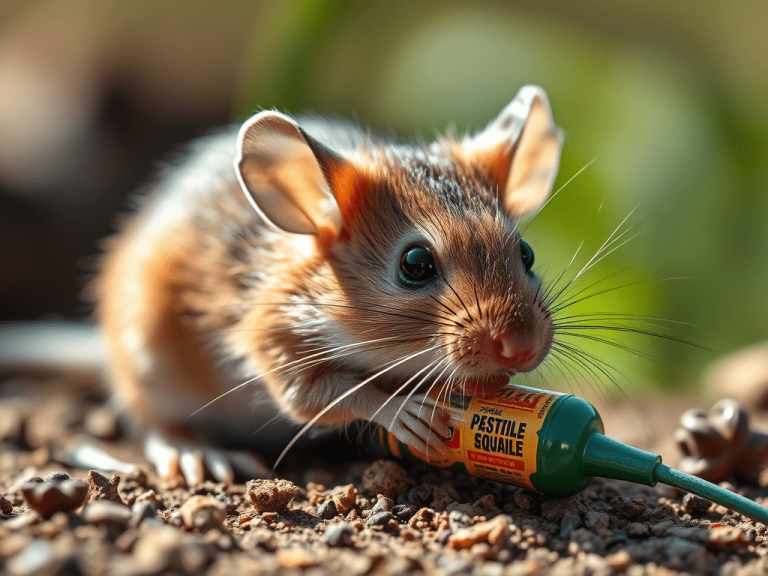
Illustration of a lab mouse eating food sprayed with pesticide
Research Review: Do Pesticides Affect Gut Microbiome?
Greyscale portrait of a dog, referencing the myth that dogs see only in black and white
The Colorful Truth About Dog Vision: Not So Black and White
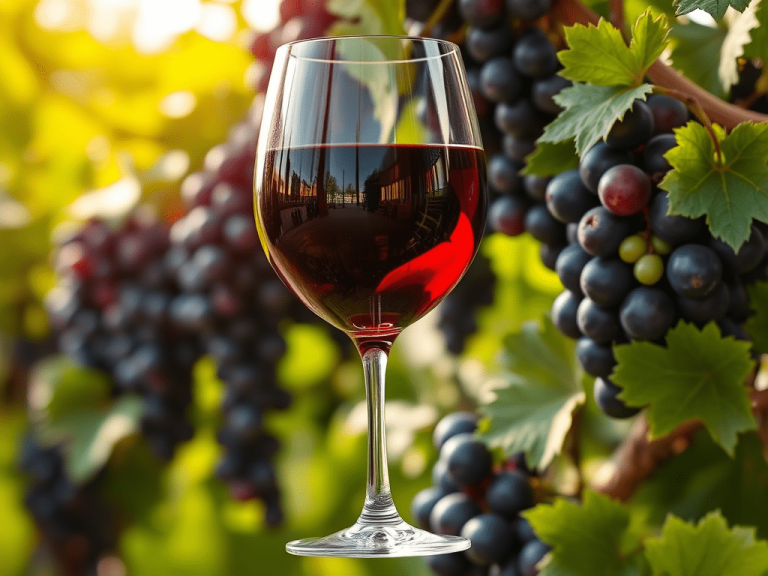
Glass of red wine next to red grapes, a source of resveratrol
Is Red Wine Beneficial? The Truth About Resveratrol

The Myth

A habit is either "totally fine" or "will kill you." Headlines swing between "a glass of wine is
good for you" and "no amount is safe."

The Reality

The useful question is always how much, and how much risk, in absolute terms. Smoking's danger is genuinely enormous and worth stating plainly. A daily drink carries real but far smaller cancer risk, and filing both under "carcinogen" hides the difference that actually shapes your choices. Absolute numbers, not scary labels, tell you how alarmed to be.

The Myth

A habit is either "totally fine" or "will kill you." Headlines swing between "a glass of wine is good for you" and "no amount is safe."

The Reality

The useful question is always how much, and how much risk, in absolute terms.

The Myth

A habit is either "totally fine" or "will kill you." Headlines swing between "a glass of wine is good for you" and "no amount is safe."

The Reality

The useful question is always how much, and how much risk, in absolute terms.

The Myth

A habit is either "totally fine" or "will kill you." Headlines swing between "a glass of wine is good for you" and "no amount is safe."

The Reality

The useful question is always how much, and how much risk, in absolute terms.

The Takeaway

Your body is the highest-stakes place to apply science literacy, and the most crowded with people selling you certainty. The same posture cuts through all of it: not “is this good or bad?” but “how strong is the evidence, how big is the effect, and who profits from my believing it?”

Get that right and you stop rearranging your diet every news cycle, stop paying for magic, and start telling a habit genuinely worth changing from a headline worth ignoring.

Frequently asked questions

Are superfoods actually real?

“Superfood” is a marketing term, not a scientific category. No single food transforms your health; a varied, mostly whole-food diet does far more than any hero ingredient.
The popular claim that seed oils drive inflammation isn’t well supported for normal dietary amounts. As with most foods, dose and overall diet matter more than the ingredient’s reputation.
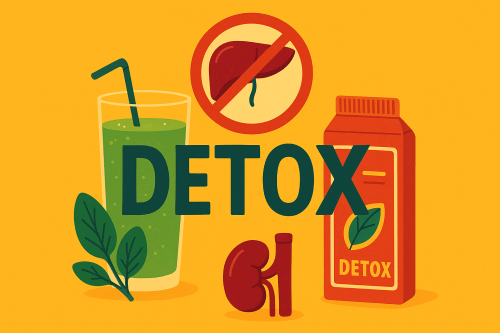
No. Your liver and kidneys remove waste continuously, and detox products don’t add measurable benefit. The word “toxin” in these ads is usually undefined
Alcohol’s risk is real but small at low intake and rises with how much you drink. The absolute numbers, not the scary framing, tell you how concerned to be; it’s a personal risk trade-off.
The evidence is observational, showing an association rather than proof of cause. It’s a promising, plausible link worth watching, not a reason to change your habits.

Unlock This Free eBook

Enter your email to receive this resource directly in your inbox. We’ll send you a secure download link instantly.